

How to pack saddlebags for 10-day summer motorcycle tours
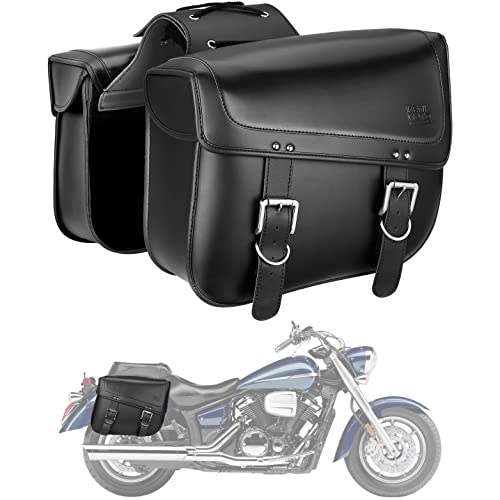
For a 10-day summer tour, you're looking at 40–60 liters of total luggage capacity across saddlebags, tank bag, and tail bag combined. Hard saddlebags max out around 40 liters total but protect gear from weather and crushing; soft bags compress down when empty and typically hold 50–80 liters but demand weather covers. Factor in your bike's geometry—cruisers and ADV platforms handle larger bags without ground clearance issues, while sportbikes and naked bikes need slimmer profiles to avoid panniers dragging mid-corner.
Table of Contents
Our Top Picks
Affiliate disclosure: if you buy through these links, we may earn a commission at no extra cost to you.


Factors to Consider
Volume and Capacity for 10-Day Trips
Weather Resistance and Material Durability
Summer tours mean afternoon downpours, dust, and UV exposure over extended mileage. Look for bags with welded or roll-top seals rather than zippered closures alone; quality soft bags use ballistic nylon or TPU-coated materials rated for at least 1000D denier fabric, which resists abrasion and holds up through multiple seasons. Hard cases are inherently waterproof but can corrode at mounting points if not stainless steel or powder-coated aluminum—cheap plastic hardware fails within a season. Test any bag's waterproof rating by submersion; marketing claims often overstate actual protection.
Attachment and Mounting Security
Loose luggage kills handling and risks throwing your bike off balance mid-corner or during emergency braking. Bolted saddle stays (not straps alone) are the gold standard for saddlebags; confirm your bike's frame has compatible mounting points before purchase. Tank bags should use magnetic base with supplementary straps to prevent shifting under hard acceleration or braking. Tail bags need rigid attachment to subframe or seat—bungee-only mounting is fine for day rides but dangerous for loaded touring where weight multiplies G-forces during maneuvers.
Accessibility and Ride Comfort
On a 10-day tour, you'll access different gear multiple times daily—snacks, rain gear, documents—so prioritize bags with quick-access compartments and intuitive organization rather than one massive cavity. Side-mounted saddlebags should sit low and tight against the frame to maintain stability; high or flared bags force you to compensate with countersteering and fatigue your arms over long hours. Tank bags with magnetic panels and modular organization (think separate pouches for phone, wallet, keys) let you grab essentials without unpacking everything. Test fit on your specific bike; a 40-liter bag that fits a BMW GS may foul a Kawasaki Versys's panniers or exhaust.
Riding Style Compatibility
Commuters can get away with lightweight, compressed-attachment bags that prioritize sleek looks; touring riders need reinforced mounting hardware and weatherproofing because you're adding 30+ pounds over 10 days and running through variable conditions. ADV/dirt-biased setups benefit from hard cases that protect against brush and tip-overs, though they increase weight and raise the bike's center of gravity—factor this if you're planning unpaved sections. Cruiser touring suits larger soft bags with extra-wide saddle stays; sportbike touring demands compact, aerodynamic designs that don't catch wind at highway speeds or scrape fairings.
Frequently Asked Questions
How much weight can motorcycle saddlebags safely hold?
Most modern saddlebags are rated for 10–20 pounds each before they stress mounting hardware or destabilize handling. Over 10 days with camping gear, clothes, and toiletries, you'll easily hit 25–35 pounds per side on a touring setup—so verify your bike's frame can handle it and use bolted attachment points, never straps alone. Always distribute weight evenly and keep heavy items low and toward the frame center to minimize handling compromise.
Do I need waterproof saddlebags for summer touring?
Summer doesn't mean dry—thunderstorms and morning dew are guaranteed on 10-day tours, and gear rot ruins electronics and clothing in 24 hours. Even "water-resistant" bags benefit from internal dry bags for electronics and valuables; hard cases offer better baseline protection but soft bags with welded seams and roll-top closures work fine if you layer in packing discipline. A cheap rain cover ($30–50) buys peace of mind and extends the life of any bag in real-world use.
Can I mount saddlebags on any motorcycle?
No—frame geometry, exhaust routing, and subframe design vary wildly, so bags that bolt cleanly to a touring bike may foul a cruiser's suspension or sportbike's fairings. Always confirm mounting compatibility before buying; many manufacturers publish fitment guides by year and model. If your bike lacks factory attachment points, universal strap-on systems exist but sacrifice security and handling confidence on loaded touring rides.
What's the difference between hard and soft saddlebags?
Hard cases (plastic or aluminum) protect gear from crushing and weather but are heavier, more visible, and can catch wind at speed; they're ideal for rough terrain and multi-season touring. Soft bags compress when empty, weigh less, and integrate cleaner into a bike's silhouette, but they demand better packing discipline and weather covers. For summer-only 10-day tours with highway riding, soft bags with quality seals edge out hard cases on weight and ergonomics; for ADV or mixed terrain, hard wins on durability.
How do I organize gear inside saddlebags for easy access?
Use compression cubes or dry bags to partition items by category—one for clothes, one for tools, one for toiletries—so you're not excavating the entire bag for sunscreen. Keep frequently accessed items (rain gear, snacks, sunglasses) in a separate tank bag or top-loader tail bag; saddlebags are best for things you need once or twice per day. Pair organization with a written packing list so you remember what's where and catch forgotten items before leaving camp.
Will saddlebags affect my bike's handling on tight twisty roads?
Yes—loaded bags raise the bike's center of gravity and push weight outward, requiring slightly more lean angle and countersteering input to maintain corner speed. The effect is most noticeable on lightweight bikes or sportbikes; cruisers and ADV platforms are designed with luggage in mind and handle the change more forgivingly. Ride smoothly, avoid sudden throttle chops mid-corner, and accept that a loaded touring bike isn't a canyon carver—plan your pace accordingly and you'll be fine.
How do I prevent theft of saddlebags and luggage on tour?
Hard-mounted bags (bolted cases) are harder to grab than soft bags, but nothing is theft-proof without additional security—cable locks through the bags to the frame and a disc-brake lock on the rear wheel raise the barrier for opportunistic thieves. Never leave valuables visible inside; use opaque bags and store electronics, cash, and documents on your body or in your hotel room. On longer stops, position the bike visible from your campsite or hotel window and use a disc lock as a deterrent, knowing that truly determined theft requires tools and time.
Conclusion
Packing smart for a 10-day summer tour starts with matching luggage capacity to your actual gear volume—40–60 liters total across saddlebags, tank bag, and tail bag—and prioritizing bolted, weatherproofed attachment over convenience features. Test your entire setup (loaded weight, corner clearance, accessible organization) on your specific bike before committing to multi-day miles; cheap luggage failures happen mid-trip and ruin tours.
Invest in quality soft saddlebags with welded seams and a reinforced saddle stay, add a modular tank bag for daily essentials, and use compression organization to maximize usable volume. This approach keeps your bike handling predictably, your gear dry and organized, and your riding confidence intact from day one through day ten.


