

How to Optimize Motorcycle Luggage for 14-Day Long Distance Spring Tours in 2026
Long-distance spring touring demands gear that’s reliable, weather-resistant, and capable of handling diverse riding conditions. Whether you're commuting, tackling ADV adventures, or covering extensive miles on tour, optimizing your motorcycle luggage setup ensures comfort, security, and peace of mind. As a seasoned rider and instructor, I know that proper luggage choices and mounting techniques can make or break your trip—so let’s focus on what truly matters.
Our Top Picks
Affiliate disclosure: if you buy through these links, we may earn a commission at no extra cost to you.
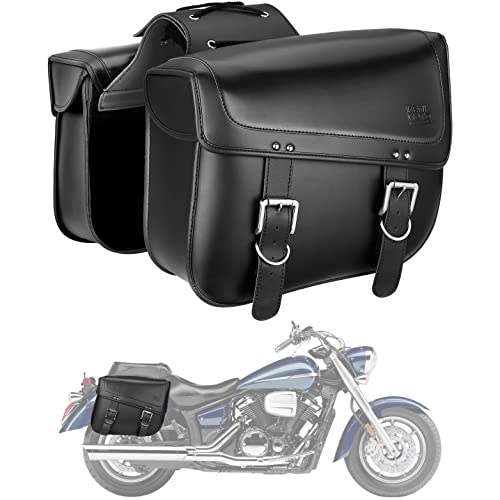
KEMIMOTO Motorcycle Saddlebags, 30L Large Capacity Saddle Bags Motorcycles, PU Leather Motorcycle Luggage Bag for Sportster Softail Dyna V-star Shadow, Universal Motorcycle Accessories, Black
$93.48Check Price

In this guide, I’ll walk you through the essentials of fitment, weather resistance, attachment security, and rider comfort, with real-world insights tailored for 14-day journeys. Prepare to pack smarter and ride with confidence.
Table of Contents
Choosing the Right Luggage Volume & Fitment
Long tours require a careful balance between capacity and manageability. Opt for saddlebags and tail bags that can offer at least 50-70 liters of total volume—enough to carry multi-week gear, including layers, toiletries, and emergency supplies. A common mistake is overloading marginally mounted luggage, which risks damaging the attachment points or creating handling issues.
Match your luggage volume to your motorcycle’s platform and your riding style. Adventure bikes benefit from modular systems with separate tanks, tail, and side bags, offering flexibility. For touring bikes, hard cases provide secure, weatherproof capacity, but soft luggage—if well designed—can save weight and improve aerodynamics especially on spirited riding days.
Mounting Systems & Securing Your Gear
A secure mounting system is non-negotiable for extended trips. Hard cases tend to be more secure and weather-resistant, but they can be heavy and expensive. Soft luggage relies on straps, buckle systems, and sometimes quick-release straps—choose these wisely based on reliability and ease of access.
Always verify that all mounting points—rack systems, quick-release mechanisms, or tie-downs—are rated for your luggage’s weight. Reinforce your attachment with additional straps if needed, especially in variable weather or off-road sections. On high-mileage days, loose luggage can create handling hazards or throw off your bike’s balance.
Weatherproofing and Durability
When touring in spring, expect a mix of rain, variable temperatures, and chilly mornings at altitude. Your luggage must be fully waterproof—soft bags with roll-top closures are ideal—plus, consider additional rain covers. Hard cases generally offer built-in weather sealing, but double-check the seals and locks for gaps.
Durability across seasons is about material choice: ballistic nylon or other high-denier fabrics resist abrasion, while rigid plastics or aluminum hard cases endure daily knocks. Regularly inspect your gear for wear, especially after off-road sections or heavy rain.
Riding Comfort & Practical Packing
Efficient luggage shouldn’t compromise your riding position or comfort. Keep heavier items low and centered to maintain bike balance. For example, avoid excessive load on the rear seat area that can cause instability at speed or on uneven terrain.
Plan your packing so that frequently accessed items—like snacks, maps, or rain gear—are in your tank bag or top pocket of your tail bag. Use compression straps to reduce volume, which minimizes shifting and prevents discomfort during spirited riding. Remember, less bulk means a more manageable ride, especially over long days.
Gear Types & Seasonal Suitability
For multi-week spring tours, soft luggage with waterproof coatings (like tarpaulin or PVC) works well, offering flexibility and easier mounting. Hard cases excel in consistent weather and protect valuables from rain and impacts. Tank and tail bags come in various volumes—opt for ones with secure attachment systems and easy-to-use closures.
On the clothing side, select technical riding jackets and pants designed for layered comfort—vented, waterproof, and breathable options help adapt to daily temperature swings. Helmets should have good ventilation for spring mornings and integrated sun visors. Riding gloves with quick-drying and waterproof features are indispensable, along with sturdy, supportive motorcycle boots designed for comfort over long miles.
Frequently Asked Questions
Can I mix hard and soft luggage on the same ride?
Absolutely. Use hard cases for valuables and soft luggage for clothing and easy-access items. Just ensure all mounting points are compatible and secure.
What’s the best way to secure luggage when riding off-road?
Use heavy-duty straps, reinforced mounting racks, and consider adding anti-slip mats or rubber pads where luggage contacts metal surfaces. Regularly check attachment points during long rides.
How do I keep my gear dry in heavy rain?
Use waterproof luggage with sealed roll-top closures, add rain covers, and pack electronics in sealed waterproof bags. Always test your setup in a controlled rain before the trip.
Is a tank bag necessary for a long-distance tour?
While not essential, a tank bag offers quick access to navigation, phone, snacks, and other essentials. It also helps distribute weight evenly if chosen with proper mounting.
How much luggage weight can my motorcycle handle?
Check your bike’s owners manual for maximum payload capacity. Overloading can damage mounts or affect handling—stay within manufacturer limits and pack smart.
Conclusion
Optimizing your motorcycle luggage for a 14-day spring tour is about combining proper fitment, robust mounting, weather resistance, and efficient packing. By understanding your gear’s capacities and choosing the right combination of hard and soft luggage, you'll improve handling, safety, and comfort on the road. Take time before your trip to test your setup thoroughly, and you’ll enjoy every mile of your adventure with confidence. Now, gear up, prep smart, and ride like you mean it.


