

How to Pack Saddlebags for 4-Day Tours
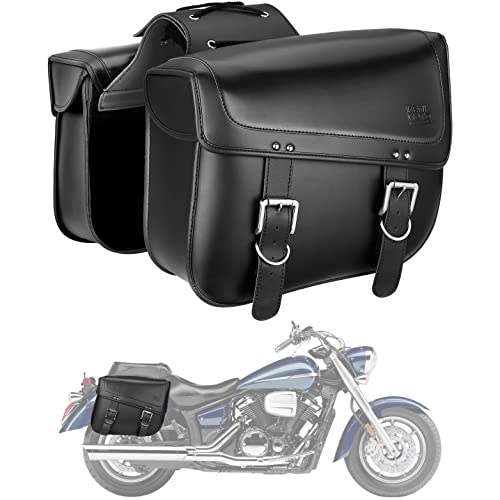
Choose saddlebags that mount to reliable racks or pannier frames designed for your bike. Look for compatible mounting rails, quick-release options, and solid attachment points that won’t swing or detach at speed. A bag that fits your bike’s clearance and steering lock is non-negotiable for touring and ADV riding.
Plan for roughly 25–40 liters per bag for a 4-day tour, plus a 5–15 liter tank bag for essentials. Internal dividers, compression straps, and dedicated sleeves help you keep clothes, footwear, and rain gear in place, reducing rummaging on the move. If you routinely pack bulky items (sleeping bag, jacket liners), consider expandable or tail bags to maintain balance without overloading the bike.
Table of Contents
Our Top Picks
Affiliate disclosure: if you buy through these links, we may earn a commission at no extra cost to you.


Factors to Consider
Fitment and mounting security
Capacity, organization, and expansion
Weather resistance and durability across seasons
Prioritize materials rated for abrasion and UV resistance, welded seams or sealed joins, and waterproof zippers or roll-top closures. For wet climates, a rain cover or waterproof liner inside the bag adds a second layer of protection. Durability matters more in winter riding (cold, road salt) and summer heat (sun exposure) to prevent material fatigue and cracking.
Attachment systems and ease of use
Evaluate whether the system uses rails, brackets, or straps, and how quickly you can remove or reattach bags during rest breaks. Quick-release mechanisms are convenient, but locking features or anti-theft loops are worth considering for commuting counts. Ensure the system maintains rigidity at highway speeds and won’t loosen with vibration.
Riding style suitability: commute, ADV, touring
For daily commuting, you want compact bags with fast access and low-profile mounting. ADV riders should favor modular systems that tolerate irregular terrain and offer secure, rigid mounting. Touring setups benefit from larger capacities and balanced weight distribution to reduce fatigue on long days.
Frequently Asked Questions
What size is best for a four-day tour?
Most riders aim for roughly 25–40 liters per bag with an additional 5–15 liters in a tank bag for quick access items. This range accommodates clothing, rain gear, a compact sleeping setup, and tools without overloading the bike. If you pack bulky gear, consider a small tail bag to keep weight centered.
Soft saddlebags vs hard panniers: which is better for weather?
Hard panniers offer greater impact resistance and easier containment of gear, while soft bags rely on waterproof fabrics and sealed roll-top closures. Field testing and manufacturer specs show welded seams and waterproof zippers on soft bags dramatically improve rain protection. For heavy rain, combine a waterproof liner with a rain cover to seal gaps.
How do I mount saddlebags securely to avoid losing them on the road?
Use bags designed to integrate with your bike’s racks or pannier frames, and choose systems with locking latches or anti-theft straps. Quick-release mounts save time, but always verify the attachment points are solid and check them after rough sections or speed bumps. A little due diligence before leaving increases reliability tenfold.
Will saddlebags affect handling or ground clearance?
Overstuffed bags can raise your center of gravity and contact exhaust or swingarm at full steering lock. Keep volumes within 25–40 liters per side and place heavier items low and toward the bike’s centerline to preserve balance. When in doubt, test-fit at home and on short rides before a longer trip.
Should I add a tank bag or tail bag for critical items?
A compact tank bag (roughly 5–15 liters) gives you quick access to navigation and valuables, while a tail bag handles bulkier clothing or gear. Tank bags reduce the need to stop and unload mid-ride, but ensure it doesn’t block ignition or heat vents. Pairing both can optimize organization if space allows.
What features matter most for durability across seasons?
Look for 1000D or higher materials, reinforced corners, double stitching, and welded or taped seams. Waterproof zippers or roll-top closures with interior liners help keep gear dry in rain and snow. In extreme heat, choose fabrics with UV resistance and breathable panels to reduce heat buildup inside.
Are there attachment systems that work better for ADV vs touring?
ADV setups benefit from modular, scalable systems that tolerate uneven terrain and quick removal, while touring favors rigid, balanced pannier frames for wind protection and long-distance stability. Always verify compatibility with your bike’s rack configuration and ensure clearances at full steering lock.


