

How to Choose the Right Saddlebaghq Setup in 2026
Don't let capacity specs seduce you into oversizing—a 60L saddlebag setup works fine for weekend trips, but will destabilize your bike's handling on tight canyon roads or daily commutes. Measure what you actually pack: commuters rarely need more than 40–50L total, while ADV riders tackling multi-day trips should plan for 60–80L across both bags. Oversized bags also catch crosswinds harder and raise your center of gravity, which matters when you're braking or leaning in the rain.
Table of Contents
Our Top Picks
Affiliate disclosure: if you buy through these links, we may earn a commission at no extra cost to you.

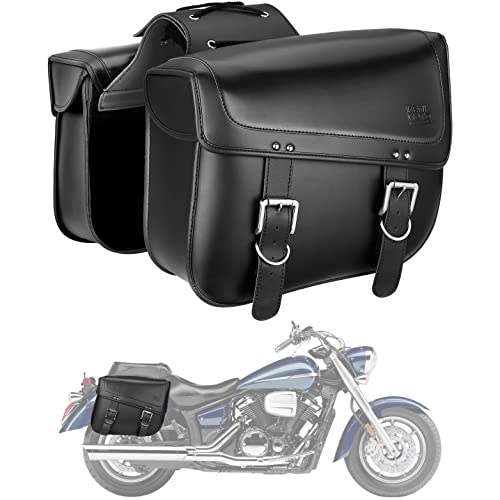

Factors to Consider
Volume vs. Your Actual Needs
Attachment Security and Bike Compatibility
Bolted or welded frames beat magnetic mounts and bungee cords every time—they don't rattle loose or slip during aggressive acceleration. Before buying, check fitment lists carefully: some bags claim universal fitment but hang low on certain chassis and interfere with exhaust pipes or panniers. Use stainless-steel hardware, not painted bolts, and inspect mounting points every season; loose bags will eventually tear through mounting tabs on touring rigs.
Weather Resistance and Seasonal Durability
Ballistic nylon with welded seams outperforms coated canvas on wet winter commutes and desert dust, but expect to replace grommet seals and zippers every 18–24 months if you ride year-round. Look for taped or RF-welded stitching rather than traditional thread seams—they hold water out and won't degrade as fast in UV. Test the rain covers on demo bags if possible; cheap ones slip off during cornering, defeating the entire purpose.
Fitment to Your Riding Style
Commuters prioritize quick-detach systems and compact profiles that don't interfere with filtering or tight parking; touring riders need solid side-armor protection and load-balancing symmetry to prevent tank-slapping in crosswinds. Adventure bikes with high-mounted exhausts require drop-down bag designs or saddle stays that clear heat, while cruiser and standard riders often have more mounting flexibility and can use heavier leather rigs without handling penalties. Mismatched luggage geometry to your bike's design will either create dead weight you can't use or force unstable packing that ruins your cornering feel.
Attachment Systems: Speed vs. Security Trade-Off
Quick-release clips are faster for commuters but tolerate more play and movement than bolted or Velcro strap systems—on rough gravel or washboard ADV routes, bags with flex will rattle bolts loose within a few rides. Hybrid systems (bolted base + quick-release top handle) give you the best balance: solid mounting for the road and grab-and-go convenience at fuel stops. Avoid anything that relies solely on straps or elastic; they stretch out, slip under load, and leave your expensive gear bouncing or unsecured at highway speeds.
Frequently Asked Questions
What size saddlebags do I actually need for a weekend trip?
A pair of 25–30L bags (50–60L total) handles most weekend rides; add one 10–15L tank bag and you're covered for clothing, tools, and toiletries without overloading. If you're packing more than two days' gear or sharing the ride with a passenger, jump to 35–40L per side and consider a top-box or tail bag for balance and weight distribution.
Will saddlebags affect my bike's cornering ability?
Yes, but only if they're oversized, poorly mounted, or packed unevenly—a well-balanced 50L setup on a sport-touring bike has negligible effect on lean angle or throttle response. Mountain the bags as low and centered as possible, never overload one side, and test your body position and weight transfer during a slow ride around an empty parking lot before hitting canyon roads. Heavier bags (leather, armored models) will have a more noticeable effect than lightweight textile bags.
Can I use the same saddlebag setup year-round?
High-quality ballistic nylon or Cordura bags with sealed zippers and welded seams perform fine in rain, snow, and dust, but inspect gaskets and replace worn fabric every two years if you ride 12 months a year. Leather rigs require more maintenance in wet climates—treat them with quality conditioner before winter and check stitching for rot after thaw season. Quick-detach bags let you swap between heavier winter armored bags and lighter summer textile ones depending on weather.
What's the difference between soft bags and hard cases for saddlebags?
Soft bags (textile or leather) are lighter, easier to pack, and don't interfere with lean angle or ground clearance, making them ideal for commuters and touring riders on standard geometry bikes. Hard cases (plastic or aluminum) offer better impact protection and organized compartments, but add weight, rattle on rough roads, and can catch pegs during aggressive cornering on smaller bikes. Most adventure and touring riders choose soft bags for daily rides and reserve hard cases for long ADV expeditions where crash protection justifies the trade-offs.
How do I keep my saddlebags from rotating during hard braking or acceleration?
Use bolted or welded frames rather than magnetic mounts, and add a dedicated tie-down strap to the rear fender or passenger grab bar for lateral stability. Test the mounting by grabbing the bag edge and pulling hard; if it moves more than half an inch, tighten bolts or add a second anchor point before riding. Bags that rotate or slip during braking will throw off your weight balance and make the bike feel unstable.
Are waterproof liners necessary, or do rain covers work well enough?
Rain covers alone are not reliable in sustained downpour or river crossings—water finds seams and zippers, and covers slip off during cornering or emergency braking. Use both: quality rain covers for quick deflection, plus waterproof liners or dry bags inside for anything that can't get wet (electronics, documents, spare clothing). If you commute daily in wet climates, welded-seam bags with sealed zippers plus internal organization compartments are worth the extra cost.
Can I mount saddlebags on a bike that wasn't designed for them?
Yes, but you'll need custom mounting brackets or strap-around frames—never rely on bungee cords or straps alone, as they'll slip and create unsafe weight distribution. Universal soft-bag rigs with adjustable straps work on most bikes, but test fit and weight limits carefully; oversized bags on lightweight street bikes will affect handling severely. When in doubt, contact the bag manufacturer with your bike's year and model to confirm compatibility before purchasing.
Conclusion
Choosing the right saddlebag setup means matching volume and attachment security to your riding style and bike geometry, not just chasing maximum capacity. Prioritize bolted frames, ballistic nylon construction, welded seams, and even weight distribution across both bags—these decisions will keep your bike stable, your gear dry, and your luggage system intact through years of commuting, weekend trips, and full adventure tours.
If you're starting out, grab a quality 40–50L soft-bag pair with welded seams and secure mounting hardware; upgrade to larger rigs or specialized armor only once you know your real packing habits and riding distances.


