

How to Choose the Right Helmets
Stop treating your head like an afterthought; in this sport, it is the only piece of armor that actually matters. I have spent decades evaluating gear from the track to the daily grind, and the difference between a bruised ego and a shattered skull often comes down to fitment and certification compliance. With DOT standards evolving and impact absorption technologies advancing, choosing the wrong lid isn't just uncomfortable—it is a liability. Whether you are carving canyon roads on a commuter or launching whoops on a dirt track, this roundup cuts through the marketing noise to identify the helmets that deliver genuine protection, ventilation, and mounting security across every season.
⚡ Quick Answer: Best Motorcycle Helmets
$92.95 — Check price on Amazon →
Table of Contents
Main Points
- Prioritize DOT/FMVSS-218 certification above all else, as this is the non-negotiable baseline for impact absorption and legal roadworthiness in the US market.
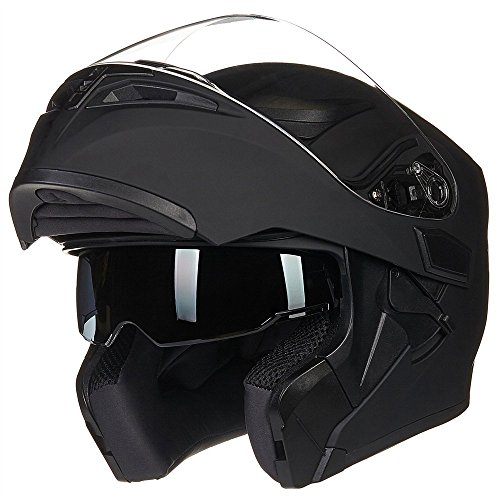
- Match the shell geometry to your riding style: modular flip-up designs like the ILM offer versatility for commuting, while dedicated motocross shells like the OUMURS 188 provide superior ventilation and cheek pad retention for off-road aggression.
- Evaluate the attachment system for long-term durability; integrated goggles and mask combos reduce wind noise and seal out debris, but ensure the elastic retention does not compromise the helmet's structural integrity over time.
- Assess weather resistance and liner hygiene by looking for moisture-wicking, anti-microbial padding that can be removed and washed, ensuring comfort remains consistent from humid summer rides to cold autumn commutes.
- Verify fitment across head shapes, noting that off-road specific helmets often run narrower than full-face touring counterparts, so measure your head circumference precisely before committing to a size chart.
Our Top Picks
Affiliate disclosure: if you buy through these links, we may earn a commission at no extra cost to you.


Factors to Consider
Verify the Certification Standard
Don't gamble with your skull on a "looks cool" shell. Ensure the helmet carries a current DOT FMVSS 218 sticker, but if you ride aggressively or tour frequently, look for ECE 22.06 or Snell ratings. These standards enforce stricter impact attenuation testing than basic DOT compliance. A certified helmet is the only thing standing between you and a traumatic brain injury.Match the Shell Shape to Your Head
Manufacturers use three primary fit profiles: oval, intermediate oval, and round. If you buy the wrong shape, no amount of tightening the straps will fix the pressure points. Press the helmet onto your head and check for even contact around the cheeks and forehead; you should feel uniform compression, not hot spots. This is where fitment trumps brand loyalty every single time.Assess Ventilation for Your Riding Style
A helmet that suffocates you will make you ride less safely due to fatigue and heat exhaustion. Check for chin bar intakes and top exhaust ports; these create a chimney effect that pulls hot air out. If you commute in summer or ride single-track, prioritize models with high CFM (cubic feet per minute) ratings. Touring helmets often sacrifice some airflow for noise reduction, so know your primary use case.Check the Retention System and Strap Width
Double D-rings offer the most secure fit for high-speed riding but are a pain to fasten with gloves on. Quick-release buckles are convenient for commuting but can pop open if they hit a snag during a crash. Ensure the strap is at least 25mm wide; narrower straps dig into your chin and cause neck strain on long rides. A secure retention system ensures the helmet stays put when it matters most.Evaluate Noise Isolation and Communication Prep
Wind noise causes "ear fatigue," which accelerates rider fatigue and reduces reaction times. Look for helmets with built-in wind deflectors or those rated for low decibel output at highway speeds. If you plan to use a Bluetooth intercom, check for pre-cut speaker pockets in the cheek pads. This saves you from drilling into the liner and ensures a clean, secure mount for your gear.Frequently Asked Questions
Conclusion
Your helmet is the single most important piece of safety gear you own, so prioritize fit and certification over style or price. Invest in a model that matches your riding style, whether that's high-ventilation for commuting or noise isolation for touring. Ride safe, ride certified, and never compromise on the shell that protects your brain.Frequently Asked Questions
How do I choose the right helmet size and fit for my riding style?
To ensure a proper fit, place the helmet on your head and check that it sits level without touching your eyebrows or ears. The shell should feel snug but not painful, with no gaps between your cheekbones and the interior padding. Adjust the retention system to secure the helmet firmly before riding.
What is the best type of helmet for long-distance adventure touring?
For long-distance adventure touring, a full-face modular or dual-sport helmet is often the best choice as it offers maximum protection and ventilation. These helmets typically feature removable liners and multiple vents to handle varying weather conditions encountered on rugged trails or highways.
Is it worth upgrading from an open-face to a full-face helmet for daily commuting?
Upgrading to a full-face helmet is generally worth it because it provides superior protection for your chin and face in the event of a crash. While open-face helmets offer better airflow, the added safety features of a full-face design significantly reduce injury risk during city traffic stops.
How do I choose between DOT and ECE certified helmets?
You should choose a helmet that meets the safety standards required in your specific region, such as DOT for the US or ECE for Europe. Always verify the certification sticker inside the helmet to ensure it has passed rigorous impact and retention system tests before purchase.
What is the best way to maintain a motorcycle helmet's interior comfort over time?
Maintain your helmet's comfort by removing the liner regularly to air it out and washing it with mild soap and water according to the manufacturer's instructions. Avoid using harsh chemicals or direct sunlight, which can degrade the padding materials and reduce the helmet's protective integrity.
How do I know if my current motorcycle helmet needs replacing after a minor fall?
Replace your helmet immediately after any impact, even if no visible damage is apparent, as the internal foam may have compromised its ability to absorb energy. Additionally, replace the helmet every 5-7 years or if you notice cracks in the shell, fading of the visor, or loose hardware.


