

How to Choose the Right Motorcycle Boots
Choosing the right motorcycle boots isn’t just about style—it’s a critical safety decision that directly impacts your control, protection, and comfort behind the handlebars. Whether you’re tackling urban commutes, rugged adventure trails, or long-distance touring, your boots should be a seamless extension of your riding gear. An improper fit, poor weather resistance, or insecure mounting can turn a good trip into a dangerous ordeal. Get it right, and you’ll ride smarter, safer, and more comfortably, season after season.
Our Top Picks
Affiliate disclosure: if you buy through these links, we may earn a commission at no extra cost to you.
In this guide, I’ll walk you through the essential considerations: fitment, weather resistance, attachment systems, durability, and how your riding style influences the best choice. Let’s cut through the hype and focus on what really matters—because your boots are your interface with the bike and the road.
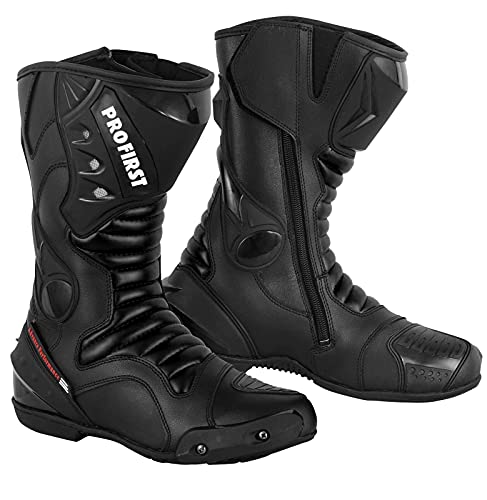
PROFIRST Motorbike Leather Boots Motorcycle Waterproof Motorbike Shoes Armored Boot Protection Anti Slip Racing Sports (Black, US Footwear Size System, Adult, Men, Numeric, Medium, 12)
$84.99Check PriceTable of Contents
Proper Fit and Comfort
Nothing wrecks a ride faster than ill-fitting boots. Your motorcycle boots must fit snugly without constricting circulation or causing pressure points. Too tight, and they can reduce blood flow or cause blistering; too loose, and they’ll slip, compromising your control and increasing fatigue. Always try boots on at the end of the day when your feet are at their fullest—your footwear will need to accommodate your foot size during active riding.
Pay attention to the fit around the heel and ankle. The heel should lock in place without lifting, and the ankle support should be firm enough to prevent excessive movement, especially during cornering. If you wear riding-specific socks, factor them into your fitting process. Also, consider the type of riding you’ll do—touring boots with a more relaxed fit versus snug, race-inspired boots for aggressive riding.
Weather Resistance & Foot Protection
Weatherproofing isn’t just about staying dry—it’s about maintaining footing and comfort in all conditions. Waterproof boots with sealed seams keep your feet dry in rain, but be cautious of breathability; overly waterproof boots can cause sweat buildup, leading to cold and discomfort in cooler seasons. Ventilated adventure boots, on the other hand, excel in summer but may require additional rain protection in downpours.
Look for boots with reinforced toe boxes, heel cups, and impact-resistant shin plates, especially if you ride aggressively or off-road. These features provide essential protection against debris, impacts, and cold, which can be critical in adventure touring or street riding.
Mounting & Security Features
In terms of attachment and stability, your boots should securely anchor your feet to your bike’s controls. Look for boots with solid, non-slip outsoles designed for grip on footpegs and pedals. Some high-end boots incorporate anti-slip rubber, steel shanks, or reinforced soles that improve control and reduce fatigue during long rides.
For adventure riders, consider boots with ankle straps or securing systems that prevent movement during aggressive riding or off-road conditions. Properly fastened boots prevent accidental slippage, which can be disastrous while operating motorcycles, particularly in challenging terrain or emergency situations.
Durability for Different Seasons
Durability varies across seasons and riding environments. Leather boots excel in durability and abrasion resistance—ideal for touring and commuting, where wear and tear are consistent. However, leather needs treatment to stay water-resistant and avoid cracking in cold, dry conditions. Synthetic options often offer lighter weight and quicker drying, which is advantageous for summer or variable weather.
Consider how much abuse your boots will endure—off-road, long-distance touring, or daily commuting—and select boots with reinforced areas in high-wear zones. For winter, look for boots with insulation or the ability to add thermal liners. Seasonal compatibility isn’t just about warmth; it’s also about resilience against mud, water, and road salt that can accelerate deterioration if not properly chosen.
Matching Boots to Your Riding Style
Commute & Urban Riding: Opt for lightweight, flexible, waterproof boots that provide ease of movement, quick donning, and reliable weatherproofing. Look for ankle support without excessive bulk to navigate city traffic comfortably.
Adventure & Off-Road: Prioritize durability, ankle protection, reinforced soles, and water resistance. Consider boots with gaiters or gaiter-compatible systems to prevent debris ingress during trail riding.
Touring & Long-distance: Comfort for extended hours is key. Look for boots with good support, ventilation options, and thermal capabilities if touring in colder climates. Flexibility and ease of walking around fuel stops matter.
Matching the right pair to your riding style ensures safety, comfort, and longevity, so choose boots that complement your typical riding scenarios rather than just the latest fashion trend.
Frequently Asked Questions
What are the best motorcycle boots for winter riding?
Look for boots with waterproof membranes, thermal liners, and reinforced insulation. Leather models with Gore-Tex or similar liners excel, especially those with sturdy soles and ankle support for harsh conditions.
How tight should motorcycle boots be?
They should fit snugly around your foot and ankle without restricting circulation or causing pain. You should be able to wiggle your toes but not slide around inside the boots.
Can I wear hiking boots for motorcycle riding?
Generally, no. Hiking boots lack the sole design, ankle protection, and secure fastenings needed for safe motorcycle riding. Invest in proper motorcycle boots for safety and performance.
How often should I replace my motorcycle boots?
Typically every 3-5 years, but replace them sooner if they show significant wear—cracked soles, torn seams, or compromised protective features. Regular inspection is key.
Are all motorcycle boots compatible with riding gear like saddlebags or tank bags?
While gear compatibility isn’t directly related, ensure your boots provide stable footing that doesn’t interfere with mounting or dismounting, especially when handling accessories or luggage overlays.
What’s the most important feature for touring boots?
Comfort for long hours, good support, weatherproofing, and durability. Consider boots with adjustable fit features, breathable waterproof membranes, and reinforced ankle protection.
Choosing the right motorcycle boots isn’t just about style; it’s about safety, comfort, and longevity tailored to your riding style and conditions. Make informed decisions, try before you buy, and keep your boots well-maintained for years of reliable performance. Your feet—and your safety—depend on it.


