

How to Choose the Right Motorcycle Saddlebags
⚡ Quick Answer
Getting your saddlebags right isn’t just about storage — it’s about security, weather protection, and riding comfort. A well-chosen set of saddlebags can make all the difference on long tours, daily commutes, or adventure rides. But with a multitude of options out there, making an informed choice is crucial if you want durability, ease of use, and compatibility with your riding style.
Table of Contents
Whether you're hitting the highways, exploring off-road ADV terrain, or commuting through city streets, the right saddlebags improve your ride’s utility without sacrificing safety or comfort. Let’s walk through what matters most when choosing your gear, so you can make a confident decision that lasts across seasons and riding conditions.
Our Top Picks in Detail
Affiliate disclosure: if you buy through these links, we may earn a commission at no extra cost to you.

Indian Motorcycle Right-Hand Bobber Saddlebag, for Specific Models, Black Polyester, Mounting Hardware and Reflector - Part 2890284-VBA
$314.99Check Price →This is the pick to look at first if you want a reliable, well-rounded option that handles everyday use without unnecessary compromises. Indian Motorcycle Right-Hand Bobber Saddlebag, for Specific Models, Black Polyester, Mounting Hardware and Reflector - Part 2890284-VBA delivers solid performance across the features that matter most in this category.
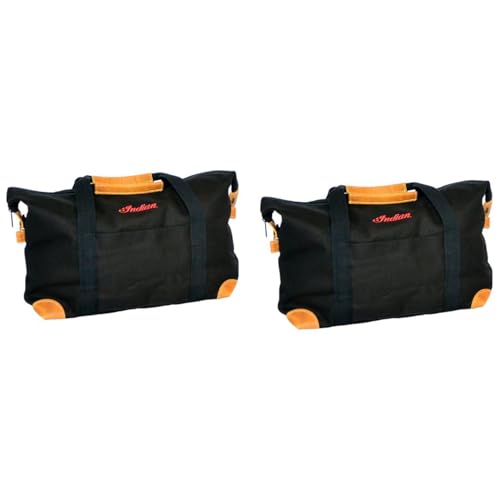
Indian Motorcycle Deluxe Saddlebag Travel Bags in Black, Pair, Leather Handles, Full Zippered Closure, Specific for Challenger, Chieftain, Indian Pursuit Elite, Roadmaster, and More, OEM 2885131
$189.99Check Price →If the top pick doesn't quite fit your situation, Indian Motorcycle Deluxe Saddlebag Travel Bags in Black, Pair, Leather Handles, Full Zippered Closure, Specific for Challenger, Chieftain, Indian Pursuit Elite, Roadmaster, and More, OEM 2885131 is worth a close look as a capable alternative that still covers the essentials well.

XMMT Motorcycle PU Leather Left Right Side Saddlebag Guard Bag with Water Drink Bottle Holder For Harley Touring Electra Street Tri Glide Road King Glide 1983-2023
$58.98Check Price →For buyers who want the most for their money without sacrificing the features that actually matter, XMMT Motorcycle PU Leather Left Right Side Saddlebag Guard Bag with Water Drink Bottle Holder For Harley Touring Electra Street Tri Glide Road King Glide 1983-2023 is the practical choice at this price point.
Fitment and Mounting Security
Choosing saddlebags that fit your motorcycle properly is non-negotiable. A loose, poorly mounted bag can shift during rides, compromise handling, or even fall off — with potentially disastrous consequences. Always check the manufacturer's specifications for your bike model and ensure the mounting system aligns with your bike's design. Many modern saddlebags use quick-detach or strap mounting systems, but not all are created equal. Rigid mount systems (like mounting brackets or hard points) tend to be more secure and less prone to movement, especially at freeway speeds. Soft bags or roll-top designs with straps require careful tensioning; avoid those with flimsy buckles or weak attachment points, especially if you ride spiritedly or carry heavy loads. **Pro Tip:** When testing fitment, load your saddlebags with gear similar to your typical load and go for a short ride. Watch for any sway or looseness, and tighten or adjust mounting accordingly before embarking on longer trips.Weather Resistance and Durability
Your saddlebags face the elements — rain, sun, dust, and sometimes snow. Material choice and seam construction determine how well they hold up. Waterproof textiles like tarpaulin-coated polyester or PVC-coated nylon provide reliable protection for your gear. Conversely, untreated canvas or leather may suit dry climates but become heavy and compromised in wet conditions. Seasonal durability also matters. For summer rides, UV and abrasion resistance are key, but in winter, freezing temperatures can make materials brittle. Look for sealed seams, rain covers, or integrated weatherproofing features, especially if you plan extended trips or touring through unpredictable weather. **Practical Tip:** Keep a waterproof cover on hand for soft, non-waterproof bags. For hard cases, ensure any seals and latches are dust and water-resistant.Size, Volume, and Capacity
Your storage needs hinge on your riding style. Daily commuters might only need around 10-20 liters for a laptop, lunch, and a rain jacket. Tourers and ADV riders often require 30-50+ liters to carry multiple days’ worth of gear, tools, and spare clothing. A larger volume isn't always better — overly bulky bags can affect handling, especially in aggressive cornering or off-road conditions. Match your saddlebag volume to your typical load, but leave room for extra items like souvenirs or rain gear. Remember, weight distribution impacts comfort; heavier loads should be as low and centered as possible. **Pro Tip:** Consider using internal organizers or compression bags within your saddlebags to maximize space and keep gear accessible.Attachment and Mounting Systems
Evaluate how the bags attach to your motorcycle. Hard-case systems typically bolt directly to mounting points, offering maximum security — ideal for touring or ADV use. Soft bags often use straps, magnets, or quick-release hardware, which are convenient but can be less secure at high speeds or on rough terrain. Quick-detach systems can save time but ensure they lock firmly. Modular systems allowing switching between mounting options add versatility but can be more complex to set up initially. The durability of attachment points, buckles, and straps—especially in extreme weather—affects long-term reliability. **Practical Tip:** Periodically inspect mounting hardware and replace worn straps or damaged fasteners—security only lasts as long as your gear’s weakest link.Matching Saddlebags to Riding Style
Your riding style guides your choice. For daily commuting, lightweight soft bags with quick access and rain covers suffice. Adventure riders need rugged, weatherproof, and easily attachable soft or hard cases that withstand mud, dust, and shocks. Touring riders benefit from larger, secure hard luggage with integrated locks, offering maximum security and weather resistance over extended trips. When planning multi-day adventures, prioritize durability and waterproofing — a leaky bag ruins your trip. **Pro Tip:** For multi-purpose riding, consider modular setups with soft luggage for daily use and hard cases for longer tours. This combo offers flexibility across seasons and terrains.Additional Tips and Common Pitfalls
Avoid bags with overly complex mounting systems that require tools to detach — they can be a hassle during quick stops. Also, beware of cheap materials or poor stitching, which fail under stress or exposure. Test the bags under load, and double-check all fasteners before hitting the road. Never sacrifice safety for capacity: oversized bags can obscure turn signals or tail lights, so choose options that complement your motorcycle’s design. And always consider how your luggage affects handling; bulky bags mounted high or off-center can cause instability, especially in sharp turns.Frequently Asked Questions
What’s the best material for motorcycle saddlebags?
Waterproof synthetic textiles like ballistic nylon with weatherproof coatings are reliable, but hard cases made of polycarbonate or aluminum are the most durable for rough conditions. Choose based on your riding environment and weight considerations.
Can I mix and match soft and hard saddlebags?
Yes, many riders do. Soft bags are versatile for daily use or quick trips, while hard cases excel on long tours or in wet, muddy conditions. Just ensure they don’t interfere with each other’s attachment points or your bike’s clearance.
How do I prevent my saddlebags from vibrating loose?
Use secure mounting hardware with locking mechanisms, periodically check fastening points, and consider anti-sway straps or additional lashing if riding at high speeds or on rough terrain.
Are quick-detach systems reliable in heavy rain?
If the system is well-made, yes. Look for sealed, weatherproof release mechanisms and always dry or lubricate locks and fasteners after wet rides to prevent corrosion and ensure smooth operation.
What size of saddlebag should I choose for touring?
Generally, 30-50 liters per side works well for multi-day trips, providing enough space for gear and accessories without overly impacting handling or aerodynamics. Plan for additional capacity if you carry extra equipment.
Choosing the right motorcycle saddlebags isn’t just about capacity — it’s about fit, security, weather protection, and how well they suit your riding style. Take your time to evaluate what features matter most, and test fit and load your gear before committing. Well-chosen luggage keeps your gear safe, your ride comfortable, and your journeys enjoyable, whatever the season or terrain.
Next step: match your riding habits with the right material and mounting system, and invest in quality gear that withstands your most demanding rides.


