

How to Choose the Right Riding Gloves
Riding gloves aren’t just about comfort — they’re your first line of defense against the elements, impacts, and road rash. Whether you’re pounding pavement on your daily commute or tackling rugged ADV trails, the right gloves will improve your grip, control, and safety. But with a sea of options in materials, fit, and features, how do you pick the gloves that genuinely suit your riding style?
Our Top Picks
Affiliate disclosure: if you buy through these links, we may earn a commission at no extra cost to you.

Investing in quality gloves tailored to your needs isn’t optional — it’s essential. In this guide, I’ll walk you through key considerations for fitment, weather resistance, attachment security, and durability across different seasons. Get this right, and your hands will thank you every mile you ride.
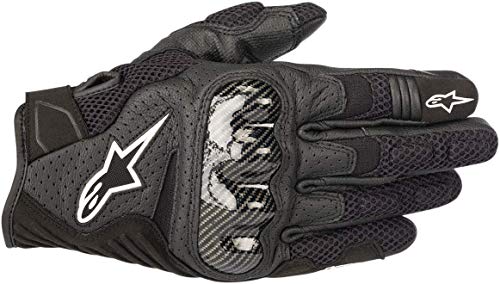
Alpinestars SMX-1 Air V2 Gloves, Short Cuff Fit, Leather and Mesh Construction, CE-Certified, Ergonomic Protection, Summer Riding Glove, L, Black
$79.95Check PriceTable of Contents
1. Fit and Sizing for Comfort and Control
Nothing hampers grip and control more than ill-fitting gloves. Proper fit starts with understanding your hand measurements: measure across the knuckles (excluding the thumb) with a flexible tape. Size charts from brands are helpful, but always try gloves on if possible; sizing can vary significantly between manufacturers.
Look for gloves that snugly conform without restricting blood flow or finger movement. Excess space causes slippage, reducing feel, especially for sensitive controls like throttle and brake levers. Conversely, too tight gloves will limit dexterity and cause discomfort during long rides. Leather or synthetic materials stretch over time, so initial fit should be close but not overly tight.
2. Material Choices and Weather Resistance
Material determines how gloves perform in different weather scenarios. Leather remains a classic for durability and abrasion resistance, making it ideal for touring and all-season riding. Modern textiles, like Gore-Tex or Hipora liners, add waterproofing and breathability — critical for tourism and rain-prone climates.
For hot weather, look for perforated leather or mesh textiles that maximize airflow. Conversely, cold-weather riders need gloves with insulation like Thinsulate or wool linings, coupled with windproof shells. Some gloves balance both by featuring removable liners, allowing versatility across seasons.
3. Attachment Systems and Security
Secure attachment of your gloves is often overlooked but vital during the ride. Look for features like gauntlet-style closures with adjustable straps, velcro cuffs, or wrist straps that prevent gloves from slipping off in a fall or when pulling your hand from the motorcycle. Some gloves incorporate zipper or snap systems for added security.
For adventure touring or off-road riding, gloves with extended gauntlets protect more of your wrist and lower forearm, keeping dirt and debris out. In urban riding, quick-release pull tabs and elastic cuffs may suffice, but always prioritize a snug, secure fit to avoid gloves shifting unexpectedly.
4. Durability and Seasonal Suitability
Beyond fit and weather, consider how gloves will hold up across seasons. Summer gloves typically feature perforations and lighter materials for airflow, but they sacrifice some impact protection and waterproofing. Winter or ADV gloves, on the other hand, prioritize insulation and reinforced knuckles, with durable outer shells to withstand abrasions and trail hazards.
The durability largely depends on construction — stitched and reinforced palms, articulated fingers, and high-quality synthetic fabrics extend glove lifespan. Look for double-stitched seams and resilient Kevlar or similar fibers in critical areas. For long-term use across multiple seasons, consider gloves with layered protection and replace when signs of wear appear.
5. Selecting Gloves Based on Riding Style
Different riding styles demand different glove features. Daily commuters benefit from lightweight, versatile gloves that offer tactile feedback and quick-drying fabrics. Adventure riders need durable, abrasion-resistant gloves with reinforced knuckles, waterproof membranes, and extra grip for off-road terrain.
Touring riders prioritize comfort and long-wear properties — look for gloves with ergonomic pre-curved fingers, excellent ventilation, and impact protection. Sport riders focus on grip and control, favoring slim-fit gloves with high tactility and minimal padding. Know your riding style, and match your gloves’ features accordingly.
Frequently Asked Questions
How tight should riding gloves be?
They should be snug enough to stay in place without restricting circulation or finger movement. You shouldn’t have to squeeze your hand into them, but they shouldn’t be loose either.
Are waterproof gloves necessary for touring?
Yes, especially if you frequently ride in rain-prone areas. Waterproof gloves keep your hands dry, maintaining comfort and grip over long rides in unpredictable weather.
Can I use summer gloves in winter?
Not ideally. Summer gloves lack insulation and windproof features, making them uncomfortable and unsafe in cold conditions. Use specific cold-weather gloves or layer appropriately.
What’s more important: impact protection or dexterity?
Both are critical. Good gloves balance impact protection with tactile feedback. Overly armored gloves might restrict movement; look for gloves with flexible armor zones and articulated fingers.
How often should I replace riding gloves?
Inspect them regularly; replace when seams fray, the leather cracks, or protective features weaken. Basic rule — replace after 1-2 seasons of regular riding or sooner if damaged.
Conclusion
Choosing the right riding gloves isn’t just about comfort — it’s a critical safety decision. Prioritize proper fit, weather resistance, secure attachment, and durability tailored to your riding style. Whether you’re commuting through city streets or exploring remote backcountry terrain, gloves that match your needs will improve control, safety, and riding enjoyment. Next step: visit your local shop or try on a few options to find the perfect fit, and don’t settle for second best — your hands deserve it.


