

How To Choose The Right Riding Gloves 2026
By Cole Briggs
Most riders obsess over their helmet’s impact rating or the abrasion resistance of their jacket, yet they leave their hands—their primary instinctual shield—exposed to the elements and the road. When you hit the tarmac, your hands are the first point of contact. In a slide, bare skin doesn’t just burn; it abrades through in a fraction of a second, leading to catastrophic injury that no amount of insurance can fix. Choosing the right glove isn’t about fashion or warmth; it is about engineering a barrier between your nervous system and the asphalt.
Quick Answer
Do not rely on visual similarity between fashion, workout, or regular leather gloves and dedicated riding gear; they lack the structural integrity to protect you. For maximum safety, prioritize gloves constructed with full leather palms and knuckles, as this is the oldest and most proven material for abrasion resistance. Your selection must be dictated by your riding style—commuters need lightweight ventilation, while adventure and touring riders require heavy-duty protection and weather sealing.
Table of Contents
- Quick Answer
- Our Top Picks
- The Physics of the Slide: Why Material Matters
- Anatomy of Protection: Palms, Knuckles, and Wrists
- Seasonal Fitment: Ventilation vs. Weather Resistance
- Riding Style Suitability: Commute, ADV, and Touring
- Fitment and Dexterity: The Comfort Factor
- Frequently Asked Questions
- Frequently Asked Questions
- Conclusion
- Sources & References
Our Top Picks
Affiliate disclosure: if you buy through these links, we may earn a commission at no extra cost to you.

The Physics of the Slide: Why Material Matters
At 40kmph, the friction generated between bare skin and tarmac is enough to strip flesh from bone almost instantly. At highway speeds, the damage is exponentially worse. The outer material of your glove is the only thing standing between your hand and permanent disfigurement. While many manufacturers use synthetic blends for the back of the hand to save weight, the contact points must be robust.
Full leather is cited as the oldest and most proven material for riding gloves because it offers a consistent density that resists tearing under shear forces. Synthetic materials, while lighter, often melt or shred rapidly upon contact with hot asphalt. When evaluating a glove, ignore the marketing jargon about "high-tech fabrics" on the palm; if it isn’t thick, reinforced leather or a specialized abrasion-resistant composite designed specifically for sliding, it will fail you.
Anatomy of Protection: Palms, Knuckles, and Wrists
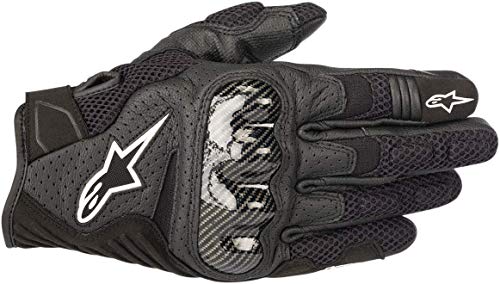
Riding gloves serve three primary protective functions: protecting the palms from abrasion during a slide, protecting the knuckles and fingers from impact, and protecting the wrist from bending incorrectly. During a fall, your instinct is to put your hands out. This means your palms and the pinky side of your hand (the ulnar side) will absorb the initial impact and drag.
Knuckle protection is equally critical. Hard armor on the knuckles prevents fractures when you hit the ground or a handlebar. However, the most overlooked area is the wrist. A poorly designed glove allows the wrist to hyperextend or bend at unnatural angles during a slide, leading to complex fractures. Look for gloves with a "pinky extension"—a flap of material that covers the side of your hand and wrist—to prevent the road from catching your skin and tearing the glove off.
Seasonal Fitment: Ventilation vs. Weather Resistance
Gloves are not one-size-fits-all across the calendar year. The trade-off between breathability and protection is the defining characteristic of seasonal gear. Summer gloves prioritize airflow, often using mesh panels on the back of the hand, but this comes at the cost of abrasion resistance. If you ride in extreme heat, you must accept that mesh palms offer minimal protection compared to leather.
Conversely, winter and all-season gloves focus on weather resistance and thermal retention. These often feature Gore-Tex or similar waterproof membranes. However, waterproofing adds bulk and reduces dexterity. You must ensure that the waterproof liner does not compromise the fit, as a glove that is too tight will cut off circulation and make your hands cold faster than a properly fitted ventilated glove.
Riding Style Suitability: Commute, ADV, and Touring
Your riding style dictates your gear. For urban commuters, who spend most time in traffic and at lower speeds, a lighter glove with good dexterity for operating touchscreens and switches is essential. However, even commuters need leather palms for the inevitable low-speed slide.
Adventure (ADV) and touring riders face different challenges. ADV riders need gloves that can handle rough terrain, potential brush contact, and variable weather. These gloves often feature extended cuffs to prevent debris from entering and are built with heavier armor. Touring riders prioritize comfort over long distances, requiring gloves with padded palms to reduce vibration fatigue and secure closures to keep rain out. Do not buy a heavy ADV glove for city commuting; the heat and lack of dexterity will make your ride miserable.
Fitment and Dexterity: The Comfort Factor
A glove that is too loose will bunch up, causing blisters and reducing your ability to feel the road. A glove that is too tight will restrict blood flow and cause hand fatigue. The fit should be snug, like a second skin, with no excess material at the fingertips. When you make a fist, the material across the knuckles should not pull tightly against the bone; there should be a slight allowance for movement.
Dexterity is often sacrificed for protection, but modern materials have improved this significantly. You must be able to operate zippers, buttons, and electronic devices without removing your gloves. If you find yourself struggling to adjust your helmet or shift gears, the glove is too stiff or bulky. Remember, riding gloves can range in price from ₹800 to ₹8000, indicating a wide variance in quality. Cheap gloves often fail the fitment test, using generic sizing that ignores the unique anatomy of the hand.
Frequently Asked Questions
Frequently Asked Questions
Can I use regular leather gloves for riding?
No. Regular fashion leather gloves lack the thickness, abrasion resistance, and protective armor required for motorcycle safety. They will shred instantly upon contact with tarmac.
What is the most important part of a riding glove?
The palm and the pinky side of the hand. These are the primary contact points during a fall, so they require the highest grade of abrasion-resistant material, typically full leather.
Do waterproof gloves reduce dexterity?
Yes, waterproof membranes add bulk and stiffness. If you need waterproofing, ensure the glove has a secure fit and reinforced sliders to compensate for the reduced flexibility.
How often should I replace my riding gloves?
Replace them immediately if you see any signs of wear on the palm, especially if the leather is thinning or the stitching is coming loose. Even without visible damage, leather degrades over time due to sweat and UV exposure.
Are mesh gloves safe for highway riding?
Mesh gloves offer minimal abrasion resistance. They are suitable for low-speed city commuting in extreme heat, but they are not recommended for highway or touring use where slide speeds are higher.
Conclusion
Choosing the right riding gloves is a non-negotiable aspect of your safety gear. By prioritizing full leather palms, robust knuckle protection, and a fit that matches your specific riding style, you ensure that your hands remain functional and intact. Do not compromise on quality for the sake of aesthetics or cost. Once you have selected your gloves, inspect them before every ride and replace them the moment they show signs of wear. Your hands are your most vital tools; treat them with the respect they deserve.
Sources & References
🛒 Relevant Products for This Topic
Affiliate disclosure: if you buy through these links, we may earn a commission at no extra cost to you.
Alpinestars SMX 1 Air V2 Motorcycle Gloves Lightweight Ventilated Design...
$78.0
View Product Details →COFIT Motorcycle Gloves for Men and Women, Full Finger Touchscreen Motorbike...
$14.99
View Product Details →
BYKR All-Weather Motorcycle Gloves for Men & Women – Protection for Dirt...
$9.99
View Product Details →

