

Best Father's Day Helmets
🏆 Top Picks at a Glance
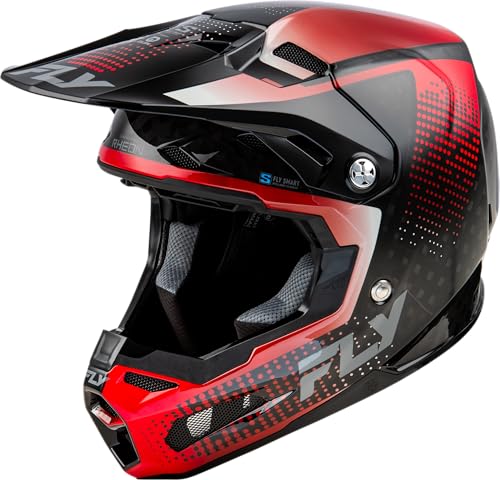 #1
#1
Best Overall
Fly Racing Adult Formula S Carbon Protocol Helmet, DOT/FMVSS 218 Approved (Black Carbon/Red, Large)
$879.95
Check Price → #2
#2
Runner Up
Alpinestars 8308123-1333-L: Honda S-M5 Helmet Black/Red Glossy Lg
$379.95
Check Price → #3
#3
Best Value
Alpinestars SM5 Corp Helmet, Lightweight Protection for MX Riders, S, Bright Red Glossy
$354.95
Check Price →Our Top Picks
Affiliate disclosure: if you buy through these links, we may earn a commission at no extra cost to you.
Factors to Consider
Fitment and Sizing for Real-Riding Comfort
⚡ Quick Answer
Measure your head with a soft tape around the largest part, usually just above the eyebrows, and compare it to the brand’s size chart. Try the helmet with the gear you’ll actually wear on the road, including glasses or a balaclava if that’s typical for you. Shell shapes vary by brand (round, intermediate oval, long-oval), so a size that feels right in one brand may not in another. A precise fit minimizes wind noise, reduces movement at speed, and prevents pressure points that become obvious after a long day in the saddle.
Table of Contents
Weather Resistance and Sealing: Warmer Weather, Colder Weather, and Rain
Look for a gasketed visor, a well-sealed chin bar, and a liner that can handle humidity and cold without losing shape. Removable, washable liners and optional thermal inserts help you ride comfortably across seasons. Ventilation should channel air effectively while keeping water intrusion to a minimum; many helmets offer storm flaps or water-resistant vents for wet rides. Anti-fog systems, like Pinlock inserts or coatings, are a practical upgrade that makes commuting in the morning less miserable.
Attachment Systems and Security: Keeping the Helmet Where It Belongs
The retention system is critical: most riders rely on a double-D ring or a micro-lock/ratchet setup, both of which must endure sustained loads. Check the strap length, buckle mechanism, and the anchor points for wear; a loose strap or worn stitching compromises safety at highway speeds. If you ride aggressively or off-road, verify that the hardware won’t snag on gear and that the padding remains supportive after sweat and mud exposure. A helmet that fits well and has a robust retention system stays secure through corners, over washboard, and in a crash.
Ventilation, Noise, and Riding Comfort Across Seasons
Balanced ventilation is key: vents should cool without creating a loud whistle or sucking in rain. Noise levels vary widely by shell design and visor seal, so choose a model known for quieter performance if you spend big hours on the road. Consider the internal volume and compatibility with comms gear if you ride long miles or wear a headset; heavier helmets often offer more durability but can fatigue you on urban commutes. The best pick keeps you comfortable across urban, highway, and dirt roads, year-round.
Riding Style Suitability: Commute, ADV, Touring
Urban commuters typically need light, quiet full-face or flip-up helmets with a reliable sun shield and easy visor changes. ADV riders demand rugged shells, excellent venting, broad eye-port clearance for off-road goggles, and multi-season durability. Touring riders prioritize long-ride comfort, plush liners, steady airflow, and compatibility with communication systems. No one helmet nails every scenario—match the helmet to your primary riding style and climate, and you’ll ride more confidently in all conditions.
Frequently Asked Questions
How do I determine my helmet size and fit?
Measure around the largest part of your head (usually just above the eyebrows) and compare to the brand’s size chart. Try the helmet with your typical riding gear, including glasses if you wear them, and make sure the cheek pads feel snug without pinching. Heads come in different shapes (round, intermediate oval, long-oval), so a size that fits one brand may not fit another—test multiple brands for the best seal and stability.
What certifications matter, and what do they mean?
In the US you’ll commonly see DOT certification, while many riders outside North America look for ECE or SNELL approvals. DOT certifies basic impact protection, ECE is widely accepted across Europe and other regions, and SNELL is typically more rigorous in its testing. Choose a helmet with at least one recognized standard and ensure it meets your local regulations for street riding.
How secure is the chin strap and retention system?
Retention systems (double-D rings, micro-lock, or ratchet) must withstand high-load scenarios and keep the helmet in place during aggressive riding. Check the buckle, strap wear, and anchor points for any fatigue or movement when you tug on it with the helmet on. If you ride hard or off-road, verify that the system remains secure through dirt, mud, and moisture accumulation.
Are modular helmets safe for aggressive riding or off-road?
Full-face helmets generally offer the best overall protection, with integrated chin bars and solid shell integrity. Modular helmets add convenience but introduce hinge points that can affect rigidity under certain impacts. For serious off-road or aggressive riding, many riders prefer a dedicated dual-sport or full-face setup with a fixed chin bar and robust venting.
How weatherproof are helmets and how should I treat fogging?
Visor seals, vent placement, and liners determine weather performance; look for water-tight seals and water-resistant venting. Anti-fog solutions like Pinlock inserts are common upgrades that dramatically reduce fog on cold mornings. Regularly cleaning and drying liners helps maintain moisture control across seasons.
How long do helmets last and when should I replace them?
Most manufacturers recommend replacing a helmet every 5-7 years or after a significant impact or crash. Even without an impact, materials like yellowness of the inner liner and helmet shell can degrade over time due to UV exposure and sweat. If you’ve dropped the helmet or notice cracks, loose padding, or diminished fit, replace it regardless of age.
Do helmets vary by riding style (commute vs ADV vs touring)?
Yes. Urban commuting favors quieter, lighter full-face or flip-up helmets with good venting and weather sealing. ADV riders prioritize rugged shells, aggressive venting, and compatibility with goggles and off-road accessories. Touring helmets emphasize long-ride comfort, steady airflow, and space for comms gear and extra padding; choose based on your dominant riding environment.


