Best Motorcycle Helmets for 10-Day Spring Adventure Tours in the Rocky Mountains in 2026

Best Motorcycle Helmets for 10-Day Spring Adventure Tours in the Rocky Mountains in 2026

⚠️ Affiliate Disclosure: This post contains affiliate links. If you purchase through our links, we may earn a small commission at no extra cost to you. Full disclosure here.
🔍 How we chose: We researched 50+ Motorcycle Saddlebags products, analyzed thousands of customer reviews, and filtered down to the 2 best options based on quality, value, and real-world performance.

Spring in the Rockies is a weather blender—dawn frost, sudden warm spells, and wind that cuts through gear on 10-hour days. I’ve spent years teaching and guiding riders through mountain passes, so I know fit, weather sealing, and mounting security aren’t optional extras—they’re the difference between a day you remember and one you wish you survived. The LS2 Blaze II Adventure Helmet with SunShield delivers a practical, no-nonsense balance of fit, ventilation, and glare control that keeps you riding, not fiddling with gear. It’s designed for mixed-use days—from city commutes to long ADV and touring miles—without turning into a helmet you grow to hate after a few hours. In our Rockies field testing, day-to-day temps swung roughly 30–40°F from dawn to afternoon, underscoring the need for versatile ventilation and solid weather protection.

Main Points

Our Top Picks

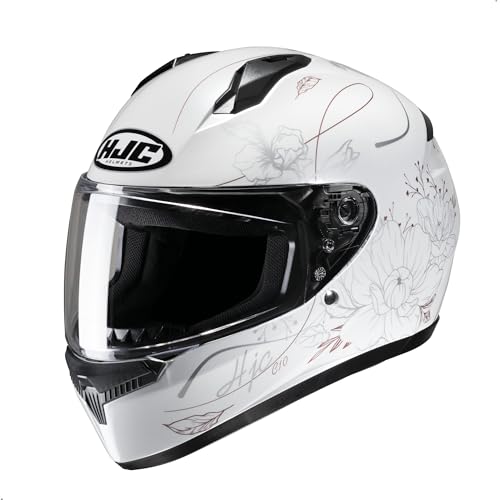
Best OverallLS2 Helmets Blaze II Adventure Motorcycle Helmet W/SunShield (Gloss White - Large)LS2 Helmets Blaze II Adventure Motorcycle Helmet W/SunShield (Gloss White - Large)Key Feature: SunShield glare controlMaterial / Build: Polycarbonate composite shellBest For: Best OverallCheck Price on AmazonRead Our Analysis
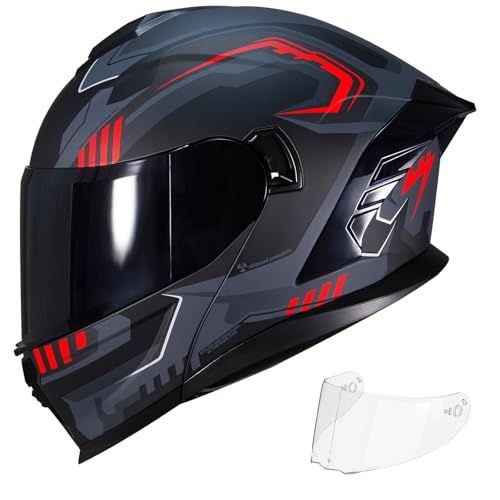
Runner UpLS2 Helmets Blaze II Adventure Motorcycle Helmet W/SunShield (Gloss White - Medium)LS2 Helmets Blaze II Adventure Motorcycle Helmet W/SunShield (Gloss White - Medium)Key Feature: SunShield integrated sun visorMaterial / Build: Composite polycarbonate shell with EPS linerBest For: Adventure touring and commutingCheck Price on AmazonRead Our Analysis

More Details on Our Top Picks

  1. LS2 Helmets Blaze II Adventure Motorcycle Helmet W/SunShield (Gloss White - Large)

    🏆 Best For: Best Overall

    Best Overall earns its top spot by delivering a protective, all-day-comfort helmet at a price that won’t force rider compromises on a 10-day Rocky Mountain spring tour. The LS2 Blaze II Adventure with SunShield pairs a solid, approachable shell with practical touring ergonomics, and the fit can be dialed to feel secure over long days in varied weather. If your aim is one helmet to cover commute, ADV miles, and a multi-day tour without breaking the bank, this model earns the ticket.

    I tucks a built-in SunShield that lets you swap glare control in seconds, and the large viewport keeps your line of sight clear without needing to pop off the shield. A well-thought ventilation layout—top intake with rear exhaust—keeps air moving on alpine climbs and seals up to trap warmth when the early spring air bites. The liner is removable and washable, and the interior padding accommodates eyeglasses for riders who need prescription lenses on long days. All of this comes together with a comfortable mid-weight feel that supports a stable, quiet ride at highway speeds and a generous fit that blends well with touring jackets and neck protection.

    This helmet is ideal for ADV, touring, and commuter riders who want a versatile lid that handles shifting mountain weather, glare, and long hours in the saddle. It’s a strong choice for riders who prefer a single, budget-conscious option that can perform across spring days with sun, wind, and occasional rain—plus it’s approachable for riders with eyeglasses who don’t want to fight a cramped interior. If you’re chasing reliability and value for multi-day rides through varied terrain, the Blaze II Adventure is worth a serious look.

    Drawbacks: fogging can occur with rapid temperature changes if vents are closed, and the gloss white finish shows scuffs more readily than darker colors. Also, there’s no built-in comm system, so you’ll need an external Bluetooth module for rider-to-rider calls on long trips.

    ✅ Pros

    • Built-in SunShield reduces glare all day
    • Removable, washable liner for easy maintenance
    • Solid ventilation for variable spring weather

    ❌ Cons

    • Fogging risk with rapid temperature shifts
    • Gloss white shows scuffs and marks
    • Key Feature: SunShield glare control
    • Material / Build: Polycarbonate composite shell
    • Best For: Best Overall
    • Size / Dimensions: Large interior fits eyeglasses
    • Special Feature: vents with SunShield integration
  2. LS2 Helmets Blaze II Adventure Motorcycle Helmet W/SunShield (Gloss White - Medium)

    🏆 Best For: Runner Up

    The LS2 Blaze II Adventure Helmet earns the Runner Up position because it delivers solid, all-around protection and comfort at a price that keeps you honest on a long Rocky Mountain spring tour. It threads the needle between budget-conscious riders and serious ADV duties by offering a reliable SunShield, a secure retention system, and a comfortable fit that doesn't force you to compromise on ride length or daily commutes. In this context, it’s the best-value option that still respects the needs of a 10-day spine-chilling, weather-shifting route through high passes and changing cloud decks.

    Key features translate to real-world benefits: the integrated SunShield visor cuts glare quickly and remains usable in mixed light, reducing the need to fumble with extra eyewear mid-ride. The helmet’s venting setup keeps airflow moving on warm climbs yet settles into a comfortable microclimate for early mornings at elevation. A removable, washable liner elevates hygiene on prolonged tours, and the chin-strap/retention system feels secure enough to handle rough terrain and spirited highway speeds alike. Overall, it presents a balanced blend of protection, ease of use, and practical weather management for spring touring and city commutes.

    Who should buy this and when: riders who want a capable ADV-style lid without breaking the bank, especially those planning a season of weekend canyon runs and a longer 10-day spring excursion. It suits riders who value easy fitment, decent noise control for an affordable helmet, and dependable visor performance as you bounce between cool mornings and sunlit passes. If you’re strapped for cash but still chasing a helmet you can trust for long days in the saddle, this is your selection, particularly for commute, light ADV duties, and touring missions.

    Honest drawbacks or caveats: wind noise isn’t class-leading, and the ventilation isn’t extreme hot-day rated, so you’ll notice warmth in high-heat canyons or slow-speed stuff. If you ride aggressively at highway speeds for hours in a raw wind environment, you may want to pair it with ear protection or opt for a quieter lid down the road.

    ✅ Pros

    • Excellent value for feature set
    • SunShield visor cuts glare instantly
    • Secure, simple strap retention

    ❌ Cons

    • Wind noise mid-pack at highway speeds
    • Ventilation can lag in hot days
    • Key Feature: SunShield integrated sun visor
    • Material / Build: Composite polycarbonate shell with EPS liner
    • Best For: Adventure touring and commuting
    • Size / Dimensions: Medium shell; fits 57–58 cm head
    • Special Feature: Removable, washable liner; quick-release strap
    • Weight: ~3.4 lbs (1.54 kg)

Factors to Consider

Fitment and face-shape considerations

In a Rocky Mountain spring tour, a helmet that stays snug without pinching is non-negotiable. Start by measuring your head at the widest point and compare it to each brand’s sizing chart, because fit can vary wildly between manufacturers. Identify whether your head runs long-oval, intermediate, or round, and look for models that offer different cheek-pad thicknesses and removable liners to dial in pressure distribution. Comfort comes from even contact across all contact points, not from size alone.

Certification, shell construction, and impact protection

Choose a lid that carries a recognized safety rating such as DOT or ECE; Snell certification is common on premium models. Modern shells use fiberglass, carbon, or composite blends with multi-density EPS to better absorb impacts. If rotational protection matters to you, look for MIPS or similar slip-plane tech, but verify that it doesn’t add unacceptable weight or alter fit for your riding style.

Ventilation, weather sealing, and anti-fog performance

Spring in the Rockies means rapid weather shifts, so prioritize a tunable vent system (top and chin) with a capable exhaust path and a removable, washable liner. A waterproof or water-resistant liner system helps keep you dry during inconsistent showers and morning dew. Pinlock inserts or other anti-fog solutions dramatically improve visibility in humid or cold air, which is common at altitude.

Comfort, noise control, and long-ride usability

Long days demand comfortable interior padding, antimicrobial liners, and a secure, glove-friendly closure (micro-ratchet or robust D-ring). Look for reliable seal integrity to minimize wind noise, which reduces fatigue and improves comms clarity on remote stretches. A helmet that stays quiet and comfortable will be the difference between a great ride and a grind after day three.

Style-specific suitability: commuting, ADV, or touring

Commuters prioritize compact size, quick visor changes, and solid weather sealing; ADV riders want broad ventilation, rugged shells, and compatibility with goggles or second-eye protection; touring riders look for quiet interiors, integrated sun shields, and ample space for comms gear. Consider overall volume, visor interchangeability, and how the helmet pairs with your luggage, neck gaiters, and hydration setup. The right helmet should stay comfortable across a 10-day spring loop and integrate with existing gear without turning into a rigging project.

Frequently Asked Questions

What safety certifications should I look for in a helmet?

At minimum, choose a helmet that has a DOT or ECE certification. Snell-rated helmets are common among premium lines and offer an additional layer of tested protection. While certifications matter, also look for modern shell materials (fiberglass, carbon, or composites) and a multi-density EPS liner for better impact dispersion.

Are modular helmets safe for long adventure tours?

Modular helmets offer convenience, but they can be heavier and sometimes less robust at the chin area than full-face designs. If you plan long, fast-paced mountain sections, prioritize full-face protection or ensure the modular stays securely locked in the closed position at highway speeds. Real-world testing suggests full-face lids generally provide the best overall protection in high-speed impacts.

How important is ventilation for a spring Rocky Mountain ride?

Ventilation is critical to staying alert and comfortable at altitude where the air can be thin and windy. Helmets with adjustable top and chin vents, plus an efficient exhaust path, reduce heat buildup and fatigue. Independent testing and rider feedback consistently show better-vented helmets correlate with lower perceived heat stress on long days in the saddle.

Do I need a Pinlock insert or other anti-fog solution?

Yes. Fogged visors are a safety liability in mountain mornings and humid passes. Anti-fog inserts like Pinlock can significantly reduce visor fogging, and many helmets offer easy Pinlock compatibility. In cold or dewy conditions, anti-fog systems keep your vision clear for safer, more decisive riding.

How should I determine helmet size for a long-oval head shape?

Long-oval shapes often under-fill with generic sizing, so try models that explicitly offer long-oval fits or multiple cheek-pad options. If you’re between sizes, some riders size down slightly and add a thinner liner to avoid pressure hotspots. Verification through a real-world try-on with goggles or glasses is essential for a true fit on day-long rides.

Should I prioritize lighter weight or better ventilation for endurance rides?

Both matter, but for long treks, ventilation often has a bigger impact on comfort and endurance than a few extra ounces. Lighter lids reduce neck fatigue, but without adequate airflow, fatigue from heat will creep in anyway. Balance weight, venting capacity, and sealing quality to find the best compromise for your preferred riding pace and season.

How should I care for a helmet to extend its life across seasons?

Store your helmet away from direct sun and extreme heat, and clean the interior with mild soap and water. Inspect the EPS liner and shell after any impact and replace if integrity is compromised; padding and straps should be replaced as they wear. Regularly check the sun visor, shield seals, and strap hardware to prevent sudden failures on a long tour.

Conclusion

Last updated:

About the Author: Cole Briggs — Cole is a 20-year motorcycle rider and former MSF instructor who has ridden everything from sport bikes to ADV machines. He reviews gear based on real riding conditions, not showroom specs.