

How to Choose the Right Tail Bags
Picking the right tail bag isn’t just about capacity — it’s about fit, security, weather resistance, and how well it complements your riding style. Whether you’re commuting daily, tackling ADV trails, or doing long-distance touring, your tail bag should be an extension of your bike and your needs. A poorly chosen bag can shift, leak, or simply get in your way, ruining what should be a smooth ride.
Our Top Picks
Affiliate disclosure: if you buy through these links, we may earn a commission at no extra cost to you.

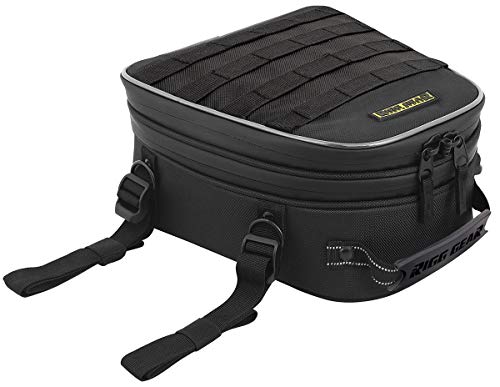
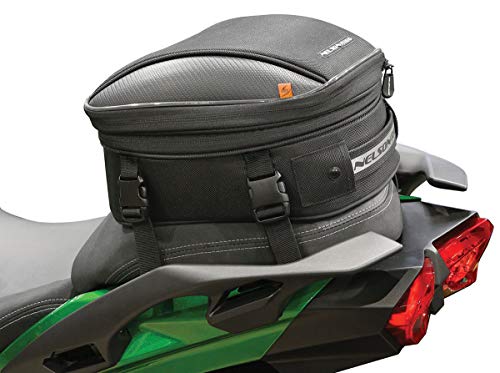
In this guide, I’ll walk you through the critical factors to ensure your tail bag sticks with you ride after ride, season after season. The goal? Maximize your riding comfort and confidence, no matter the journey ahead.
Table of Contents
Fitment and Mounting Security
Choosing a tail bag that securely mounts to your bike is paramount. Loose or unstable bags not only risk falling off but can create hazards while riding. Look for bags with versatile attachment systems—straps, quick-release buckles, or locking hard-mounts—that are compatible with your bike’s luggage rack or seat. Many high-quality bags employ a combination of these for maximum security. Make sure your bike can handle the mounting method—some adventure bikes, for example, benefit from bags with quick-release or modular systems that accommodate rack plates, while heeled street bikes might favor strap mounts or a tailored fit with soft ties. Test the mounting system at home: tighten straps fully, shake the bag to test security, and verify no slipping occurs.Weather Resistance and Durability
Your tail bag needs to handle the elements—rain, dust, UV exposure, and temperature swings—without turning into a soggy mess or falling apart. Waterproof storage is a must for anything longer than a quick jaunt, especially if you’re touring or commuting through variable weather. Many bags come with built-in rain covers, but a dedicated waterproof shell adds peace of mind. Material choice is critical: look for heavy-duty, UV-resistant nylon or tarpaulin fabric with strong, reinforced seams. YKK waterproof zippers or sealed zipper compartments enhance weatherproofing, preventing leaks even during heavy rain. For ADV riding, abrasion-resistant fabric adds durability against brush, stones, and rough terrain. Tip: Regularly inspect and tighten your bag's mounting straps—weathered or worn straps compromise security and durability over time.Volume and Organizational Features
Determine your needed capacity — most tail bags range from 10L to 50L. Smaller bags are perfect for daily commutes or minimal gear, while larger ones suit long-distance touring or ADV trips with extra clothing and tools. Think about how you organize your gear: external pockets, internal dividers, or MOLLE webbing allow quick access and smarter packing. A well-organized bag saves time and frustration when you need something fast. Internal compartments designed for electronics, documents, or wet gear keep everything in order. Keep in mind, larger volume often means more weight; too much weight top-heavy on the bike can affect handling, especially for smaller or lighter bikes. Practical tip: Use compression straps to reduce bulk when carrying less gear, and avoid overloading beyond the manufacturer's recommended weight limit.Riding Style Suitability
Your riding style should heavily influence your choice. Commuters need something sleek, reliable, and quick to mount/dismount. For ADV riders, rugged construction and quick-release features are key, alongside compatibility with tank and pannier systems for multi-day trips. Tourers benefit from larger capacity bags with high weather resistance and secure mounting to handle motorway speeds comfortably. Evaluate your typical riding conditions—urban stop-and-go versus off-road gravel—and select a bag designed for those demands. For example, a small, lightweight tail bag attached with straps works well for daily city riding, but if you’re planning an extensive adventure, look for a bag built specifically for durability under challenging conditions. Tip: Consider your bike's seat height and your own ergonomics; a tall rider may prefer a larger volume bag that sits lower, while a shorter rider benefits from compact, lightweight options.Seasonal Use and Adjustments
The seasons impact your choice significantly. Cold-weather riding demands waterproofing and insulation options, while summer trips require breathable, UV-resistant fabrics to prevent overheating. Rain, snow, and mud mean you should lean toward high-quality waterproof bags with sealed seams and rain covers, especially crucial during multi-day trips. In winter, consider additional gear—liners, thermal packs—stored in the tail bag, so easy access to insulated gloves or snacks is maintained. For summer, look for bags with mesh panels or ventilation features if they’re designed with external pockets or panels. Practical tip: Use pack liners or dry bags inside your tail bag to keep your gear dry during downpours or river crossings.Frequently Asked Questions
How do I prevent my tail bag from shifting while riding?
Ensure it’s properly secured with the correct mounting straps or quick-release systems. Use non-slip mats or padded base layers if needed, and verify tightness before every ride.
What size tail bag should I get for touring?
For touring, 20-30 liters is a good start—you want enough capacity for essentials without causing handling issues. Larger bags (40+L) work if you carry lots of gear or plan multi-day trips.
Are waterproof tail bags really waterproof?
High-quality waterproof bags with sealed seams and waterproof zippers are reliably water-resistant. Always check manufacturer specs, and consider adding rain covers for extra protection in heavy weather.
Can I use a tail bag on any motorcycle?
Most tail bags are universal, but always check their mounting system compatibility with your bike’s rack or seat. On sportbikes with minimal racks, some bags might require additional mounting solutions.
How durable are tail bags for off-road riding?
Durability depends on material and construction. Look for abrasion-resistant fabrics, reinforced stitching, and sturdy mounting straps. Avoid cheap Chinese imports if you plan serious off-road use; they may fail under stress.
How do I clean and maintain my tail bag?
Regularly remove dirt and mud with a gentle brush and mild soap. Dry thoroughly before storing. Inspect straps and zippers periodically for signs of wear and replace if needed.
Choosing the right tail bag takes a little research, but it pays dividends on the road. Fitment, weatherproofing, and your riding style should guide your decision, ensuring your gear stays secure, dry, and easily accessible season after season. Start by assessing your typical rides and conditions, then match those needs to a bag built for durability and ease of use. With the right setup, every ride becomes more comfortable, confident, and enjoyable.


