

Best Motorcycle Gloves for Cold Weather Touring in Spring 2026
🏆 Top Picks at a Glance
 #1
#1
Best Overall
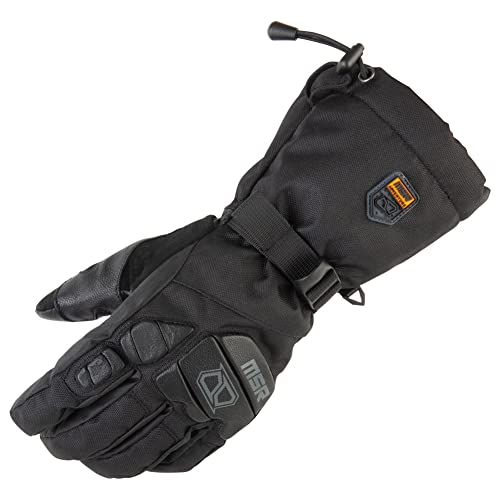
MSR Adventure Motorcycle Cold Weather Riding Gloves (Large)
$54.99
Check Price →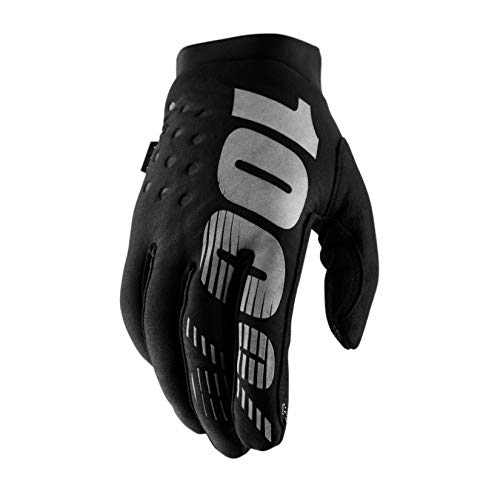 #2
#2
Runner Up
100% BRISKER Cold Weather Motocross & Mountain Bike Gloves - Warm Winter MTB & MX Powersport Racing Protective Gear (L - Black/Grey)
$38.69
Check Price → #3
#3
Best Value
UniHeat Hunting Jacket with Heated Vest for Men | 3 in 1 Heated Coat with 15000mAh 12V Battery Pack | Camo Clothing & Cold Weather Deer Hunting Hoodies Gear
$119.99
Check Price →Our Top Picks
Affiliate disclosure: if you buy through these links, we may earn a commission at no extra cost to you.
Factors to Consider
Thermal lining vs. bulk: matching insulation to spring touring
⚡ Quick Answer
Spring weather swings between cold mornings and warm afternoons, so choose gloves with removable or targeted thermal lining rather than maximum bulk. A full insulated glove will keep you warm but adds volume that degrades lever feel and clutch modulation on technical roads; aim for a low-profile thermal layer or zip-out liner you can stow. Remember that proper fit is more important than raw thickness—gloves must be loose enough to move but not so loose they bunch under the levers.
Table of Contents
Waterproofing and breathability: membranes and construction
Waterproof membranes like Alpinestars' Drystar (used in the Bogota Drystar XF) are worth their weight for spring touring where rain is common—membranes keep hands dry while the outer shell sheds spray. But breathable construction matters: sealed seams and a good cuff seal prevent ingress while vents or breathable panels stop clamminess when temps rise. If you regularly hit wet mountain passes, prioritize tested waterproof gloves over “water-resistant” claims.
Protection, CE levels and impact zones
Make sure knuckle, back-of-hand and palm armor are present and shaped to your hand—these are the impact zones that save fingers and reduce road burn. CE ratings matter: Level 1 passes basic abrasion tests, Level 2 offers higher protection and is worth the small compromise in weight for long touring. As a rule: don’t accept gloves without reinforced palms and armor over the knuckles if you plan highway miles or ADV routes.
Fit, articulation and riding comfort
Fit is the single biggest comfort factor on long days—gloves should fit snug across the palm and fingers with just enough room to flex without bunching. Look for pre-curved fingers and accordion panels that reduce fatigue and improve grip during long hours on the bars; gloves should be easy to put on and remove so you can shed layers at stops. MCN notes riding style affects glove choice—road-focused touring gloves prioritize dexterity, while heavier ADV gloves add impact protection at the cost of some finesse.
Cuff style, attachment security and practical features
Decide between short cuff (better for commuting and urban stops) and gauntlet (preferred for touring and ADV because it seals into your jacket). Check wrist closures, gauntlet tucks, and cuff-to-jacket interfaces—secure closures keep gloves from pulling off in a slide and prevent water or wind ingress. Also factor in practical touches: touchscreen compatibility (GearJunkie flags this as essential), pull tabs, and durable leather/textile mixes for season-spanning wear.
Frequently Asked Questions
Do I need waterproof gloves for spring touring?
Yes, if your rides include rain-prone routes. Spring brings frequent showers and a waterproof membrane—like Alpinestars' Drystar in the Bogota Drystar XF—keeps hands dry and prevents heat loss from wet insulation; for long touring days waterproofing is a must.
How should cold-weather touring gloves fit?
Fit snug across the palm and fingers with minimal dead space but enough room to move and layer a thin liner if needed. Proper fit reduces fatigue on long rides and ensures armor sits over the right spots; remember that overly bulky insulation will reduce lever feel.
Are touchscreen-compatible gloves worth it?
Yes—GearJunkie and other outlets call touchscreen compatibility essential for modern riders who use phones or GPS on the road. Look for dedicated conductive fingertips that don’t compromise abrasion resistance or water sealing.
What CE level should I aim for in touring gloves?
Aim for CE Level 2 where possible for better abrasion and impact performance, especially on high-speed touring or ADV rides; Level 1 is acceptable for light commuting and casual touring. MCN stresses the type of riding should dictate the protection level—more aggressive or off-road use warrants higher protection.
Can I use summer adventure gloves for spring touring?
Sometimes—if spring temperatures are mild and dry, a road-focused lightweight glove can work, but you’ll lose thermal protection and weather sealing. For unpredictable mountain or coastal spring weather, choose a glove with at least a thin thermal layer and a waterproof membrane.
How do I keep gloves secure to my jacket and prevent loss in a crash?
Choose gloves with a reliable gauntlet and wrist closure that tucks into or over your jacket cuff; some gloves offer jacket-clip systems or external straps for extra retention. A secure interface not only keeps warmth in and weather out but reduces the chance of a glove pulling off during an impact.
How often should I replace touring gloves?
Replace gloves when abrasion resistance or armor integrity is visibly compromised—typically every 2–4 touring seasons depending on use and material. Regularly inspect palms and seams; leather stretches and wears, and waterproof membranes degrade, so don’t wait until a failure on the road.
Conclusion
For spring 2026 touring I favor gloves that balance waterproofing, compact thermal protection and true ergonomics—think a Drystar-type membrane with low-profile insulation. If you ride wet, the Alpinestars Bogota Drystar XF is a sensible hard-use pick; for a balance of comfort and protection look to the Rev'it! Continent or Alpinestars Techdura lines highlighted in recent 2025 buyer’s guides.


