

Best Gloves for Spring Tours
🏆 Top Picks at a Glance
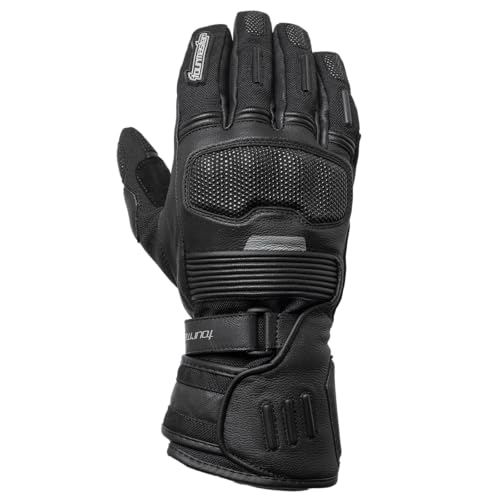
Our Top Picks
Affiliate disclosure: if you buy through these links, we may earn a commission at no extra cost to you.

Factors to Consider
Fitment, Dexterity, and Sizing
⚡ Quick Answer
Gloves that fit correctly reduce fatigue and improve lever control on longer spring rides. Measure around the widest part of your hand and compare to the brand’s sizing chart; look for pre-curved fingers that follow a natural grip and a snug but not restrictive cuff. Remember that a liner can change fit, so try on with the light base layer you wear on commutes. Finally, ensure there’s room to move your fingers without pinching or excessive wrinkling when you grip the bars.
Table of Contents
Weatherproofing, Breathability, and Insulation
Spring weather is unpredictable; you want protection from drizzle without cooking your hands on a climb. Look for a protective membrane (Gore-Tex or similar) with taped seams to keep water out while staying breathable. Vent panels should close securely but not leave large wind channels; ensure the cuffs seal against rain and prevent water run-off into sleeves. Choose a glove with moderate insulation or a removable liner for variable temps.
Protection, Armor, and Abrasion Resistance
Knuckle protectors, palm sliders, and double-stitched palms are non-negotiable for higher-speed riding. Leather backs offer superior abrasion resistance, while textiles with reinforced palms can be lighter and dry faster in damp spring mornings. A CE rating (EN 13594) at Level 1 or 2 indicates how well the glove resists abrasion and impact. Long-term durability depends on stitching quality and reinforcement in high-wear zones.
Closure Systems, Cuffs, and Attachment Security
Gauntlet cuffs with a reliable closure (Velcro, zipper, or hybrid) keep the glove from flapping and help seal out rain. Quality stitching and a secure wrist closure prevent seam blowouts on rough roads. A tighter cuff that overlaps your jacket cuff reduces wind and water ingress during a day of spring mixed weather. If you ride with luggage or tank bags, choose gloves with pulls or tabs to help re-don after fueling breaks.
Grip, Control, and Riding Style Compatibility
Volume matters: bulkier gauntlets can dull feel on throttle and brake levers; short cuffs win for city commuting, long gauntlets for ADV and touring. Texture on the palm and fingertips should grip levers without creating hotspot pressure on long days. Look for touchscreen compatibility if you monitor routes or adjust GPS; test with your devices before a tour. For spring, pick a glove that balances warmth and ventilation to cover both drizzle and sun.
Frequently Asked Questions
What CE rating should I look for in motorcycle gloves?
Look for EN 13594 certification and a Level 1 or Level 2 protection rating. For spring touring, Level 1 tends to balance protection and dexterity for city riding, while Level 2 offers extra protection on longer or faster rides.
Leather or textile gloves for spring touring?
Leather gloves generally provide better abrasion resistance and longer life, which helps on winding spring routes. Textile gloves vent better and dry faster after a rain, though they often use reinforced palms and may deliver lower abrasion resistance overall.
How should gloves fit with liners or base layers?
Try gloves with the same inner layer you plan to wear; you want a snug fit that still lets you flex fingers. If you ride with a thick liner, size up accordingly or choose models known to tolerate liners without adding bulk.
Do I need waterproof gloves for spring?
Waterproof membranes like Gore-Tex keep hands dry in frequent rain and drizzle while remaining breathable. If you’re in a dry, cool spring, prioritize breathability and a dry-out path over full waterproofing.
How do I secure glove cuffs to prevent wind and water ingress?
Go for a gauntlet closure (Velcro, zipper, or hybrid) and ensure it overlaps your jacket cuff, which minimizes ingress during mixed-weather days. A snug, well-sealed cuff also helps keep gloves in place during shifts in riding position.
Are touchscreen-friendly gloves reliable?
Conductive fingertips are common and work for most smartphones and GPS devices, though performance can vary by screen and glove materials. If you rely heavily on a device, test the gloves before a long ride or bring a stylus as a backup.
How should I care for gloves to maximize life?
Leather gloves benefit from conditioning and air-drying after wet rides; textile gloves should be cleaned per manufacturer instructions and air-dried to preserve seams. Regular inspection of stitching and reinforcements helps catch wear before it fails on the road.


